
具体描述
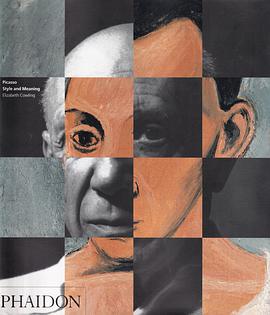
A ground-breaking book in Picasso scholarship in which Elizabeth Cowling presents a fresh, lucid and detailed analysis of the controversial subject of style in Picasso's work up to the outbreak of World War II. Showing how Picasso drew on the work of other artists and events in his own life and times, she reveals how Picasso consciously manipulated style to convey meaning. Well known as an authority on Picasso, the author has spent nearly ten years researching and writing this major new synthesis. Combining biography, historical background and masterful analysis into a fluent and enthralling narrative, it is full of fresh insights into Picasso's methods and motives, and destined to become the classic introduction to the study of Picasso. Pablo Picasso (1881-1973) is perhaps the outstanding figure in the history of art in the twentieth century, known for his extraordinary virtuosity and variety of style. His vast oeuvre has been divided into distinct periods: Blue, Rose, Negro, Cubist, Neoclassical, Surrealist and so on, and for his admirers this range of styles is seen as the surest sign of his unfettered genius. But for his critics this stylistic inconsistency signals a lack of artistic sincerity. In the first book to look specifically at Picasso's style, Elizabeth Cowling argues that Picasso came to equate stylistic consistency with sterility, and that in drawing freely upon the work of other artists he sought to emulate the formal and emotional range of the actor who can adopt different personae at will. Whereas traditionally artists have tended to achieve variety and meaning through their subject matter, Picasso shared his contemporaries' suspicion of literary themes and gradually reduced his subject matter to a handful of standardized motifs, such as the woman seated in a chair, the artist and his model and the still life, using a vast array of different styles as the principal means of communicating ideas and feelings. In short, style is meaning in Picasso's art; his notoriously mercurial nature found expression in stylistic variety and experimentation. With unfailing intelligence and clarity, an unobtrusive mastery of her sources and exceptional skill in marshalling her arguments, the author has woven biography and analysis into a compelling narrative. The 600 illustrations include all of Picasso's major works up to the beginning of World War II, and these are juxtaposed with their sources - Old Masters, contemporary artists, found objects, and Picasso's own drawings and sketches - to make a visually telling counterpoint to the arguments of the text. Scholars familiar with Picasso's work will find Cowling's fresh insights a revelation and readers new to Picasso will come away with a profound understanding of both Picasso and his art.
作者简介
目录信息
读后感
用户评价
老实说,初读时我感到一阵强烈的眩晕,仿佛被作者扔进了一个高速旋转的万花筒。这本书的叙事视角切换得如同走马灯,快到让你来不及分辨“谁”在说话,又“在何时”发生。这并非是叙事上的失误,而是一种刻意的设计,意在模仿现代人意识流的破碎感和信息过载的真实状态。书中对细节的描摹达到了令人发指的程度,有时候一段仅仅两页的文字,却能聚焦于一块油画颜料的干涸过程,或者一个被遗忘在角落里的物件的纹理,这些细节并非为了推动情节,而是作为一种存在本身被展示出来,它们成为了故事的静止锚点,对抗着周遭快速流逝的一切。我特别喜欢这种对“无用之美”的颂扬,它颠覆了传统小说必须“有用”的教条。阅读它需要极大的耐心去适应这种不规律的呼吸节奏,它不会迎合你,你必须去适应它。每一次当你适应了某种韵律时,作者总会用一个突兀的、完全不相关的插入语或引述将你拉回现实的边缘,制造出一种持续的、令人兴奋的认知失调。
这部作品的魅力在于它对“缺席”的深刻探讨。很多时候,故事的核心事件似乎永远在“下一页”发生,或者“刚刚发生完”,留给读者的永远是事件留下的残影和回响。人物之间的对话充满了大量的留白,他们似乎总是在谈论一些无关紧要的事情,而真正重要的内容却被巧妙地隐藏在了那些未说出口的停顿和尴尬的沉默之中。阅读的过程,很大程度上是在重建这些缺席的场景和未曾言明的动机。作者的功力体现在,即使信息是缺失的,你依然能强烈地感觉到人物间存在着某种无法言喻的、沉重的联结或断裂。我发现自己开始在书页空白处做批注,试图描绘那些“应该发生”的场景,这反而让我与文本产生了更深层次的互动。这本书的成功之处,恰恰在于它拒绝提供一个完整的图景,它提供的是一张被撕碎的地图,而读者必须扮演那个拿着放大镜、试图重建世界的侦探。这使得每一次重读都能带来新的发现,因为你的“重建”过程本身就是一次新的创作。
这部作品的叙事节奏简直是羚羊挂角,无迹可寻,每一次翻页都像误入了一个迷宫,但又带着一种令人上瘾的魔力。作者似乎对传统的时间线性叙事嗤之以鼻,情节的碎片以一种近乎随机的方式散落在文字的海洋里,要求读者像一个经验丰富的考古学家那样,小心翼翼地拼凑出故事的全貌。我尤其欣赏其中对于“瞬间”的捕捉,那些转瞬即逝的情感波动,被放大、被细致地解剖,仿佛时间被按下了慢放键,每一个微小的表情变化都承载着千钧之力。人物的内心独白极其丰富,但又不是那种直白的自我剖析,而是充满了隐喻和象征,读起来需要极高的专注度和想象力。举个例子,书中有一段描述主角在雨中等待的场景,与其说是写雨景,不如说是描绘了一种存在的焦虑和无望,那种湿冷感似乎透过纸张都能渗透到读者的皮肤上。这种风格无疑会劝退一部分习惯了线性情节推进的读者,但对于我这种沉迷于文字游戏和深度心理探索的人来说,简直是一场酣畅淋漓的智力挑战。它迫使你停下来,反思你对“阅读”这件事的固有认知,每一次以为抓住了主线,下一秒又被引向了一个完全意想不到的分岔口。
如果用一种感官来形容这部小说,那它无疑是一部关于“触觉”的文本。作者对物理世界的描述,尤其关注那些可以被触摸、被感知到的质感——粗糙的麻布、冰冷的金属、潮湿的泥土,甚至空气中颗粒物的密度,都被描绘得丝丝入扣,极具物质感。这种对“物质性”的执着,使得故事中的场景具有一种近乎实体化的压迫感,你仿佛能从文字中嗅到旧书页散发出的霉味,或是感受到主角衣物摩擦皮肤时的不适。然而,这种强烈的物理描摹,却服务于一个极其飘忽的主题:关于记忆的不可靠性与自我认同的流变。这种矛盾的张力非常迷人——用最坚实的笔触去描绘最虚无缥缈的东西。不同于那些依赖宏大叙事或戏剧冲突的作品,这部作品的震撼是内敛而缓慢的,它不轰鸣,但它渗透。它更像是一场长期的、温柔的侵蚀,最终让你发现,你原以为坚固的自我,其实也只是由无数柔软而易碎的“触感”碎片构成的。对于追求文字的物质性和深刻哲思交织的读者而言,这是一本值得反复摩挲的文本。
这部小说的结构性大胆得近乎狂妄,它更像是一部精心编排的交响乐,而不是一部传统意义上的小说。不同的章节之间,主题和视角之间存在着一种松散的、基于情绪共鸣的连接,而非传统的因果链条。我注意到作者反复使用了一种极其华丽且古典的词汇体系,但这并不是为了炫技,而是为了营造一种疏离的、近乎神话般的氛围,让故事中的人物仿佛脱离了我们熟悉的现实语境,在某种永恒的舞台上上演着他们的悲喜剧。尤其在描述场景转换时,那种语言的密度和音乐性令人叹为观止,仿佛你不是在“阅读”一个场景,而是在“聆听”一首长篇的散文诗。这种对语言形式的极致追求,使得阅读过程本身变成了一种仪式感极强的体验。它没有给予读者任何明确的答案或道德评判,而是将所有的问题抛回给读者,让你在文字的韵律中自行寻找回音。如果你期待的是那种一眼望到底的清晰路径,那么这本书可能会让你感到迷失和挫败;但如果你热衷于在晦涩的辞藻中挖掘出潜藏的哲思,体会文字如何独立于意义之外,也能产生强大的震撼力,那么你将在此找到无上的乐趣。