
具体描述
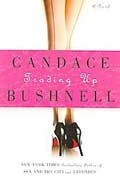
With a brilliant comic voice as well as Jane Austen's penchant for social satire, Candace Bushnell, who with Sex and the City changed forever how we view New York City, female friendships, and the love of a good pair of Manolos, now brings us a sharply observant, keenly funny, wildly entertaining latter day comedy of manners. Modern-day heroine Janey Wilcox is a lingerie model whose reach often exceeds her grasp, and whose new-found success has gone to her head. As we follow Janey's adventures, Bushnell draws us into a seemingly glamorous world of $100,000 cars, hunky polo players and media moguls, Fifth Avenue apartments, and relationships whose hidden agendas are detectable only by the socially astute. But just as Janey enters this world of too much money and too few morals, unseen forces conspire to bring her down, forcing her to reexamine her values about love and friendship-and how far she's really willing to go to realize her dreams
Janey Wilcox is an M.A.W. (that's Model/Actress/Whatever to the uninitiated). The problem with Janey, the protagonist of Candace Bushnell's first novel, Trading Up, is not the M or the A part. It's the W. Here is a rare alphabetical anomaly: In Janey's case, W stands for "prostitute." Oh, Janey never crosses the line into actual hookerdom, but she does sleep with extremely wealthy men in the hopes they'll improve her status, her financial situation, or her lifestyle. When we first met Janey in Bushnell's novella collection 4 Blondes, she was up to her usual tricks (so to speak)--scamming a guy for a Hamptons vacation rental. At the opening of Trading Up, her fortunes have improved. She's now the star of a Victoria's Secret ad campaign, and as such she's found access to undreamed-of echelons of New York society. She makes friends with Mimi Kilroy, a senator's daughter "at the very top of the social heap in New York." She gets invited to all the best parties. And she finally finds a wealthy man who will actually marry her: Seldon Rose, a powerful entertainment industry executive. Of course, Janey's social ambitions are not stoppered by her marriage to Seldon, and the clash between her expectations (more parties!) and his (normal life) send Janey into a tailspin that leads to heartbreak. Bushnell is clearly trying to channel Edith Wharton (The Custom of the Country is even invoked by Janey as a screenplay idea), but ends up sounding a lot more like a cross between Tama Janowitz and Judith Krantz. This is a novel about shopping and sex, and while it's fizzy enough, it's not Cristal.
--Claire Dederer
"It was the beginning of the summer of the year 2000, and in New York City, where the streets seemed to sparkle with the gold dust filtered down from a billion trades in a boomtown economy, it was business as usual." In other words, it is business as usual for bestselling author Bushnell (Sex and the City; 4 Blondes), who expands here on the career of shallow, predatory Janey Wilcox. In 4 Blondes, Wilcox was a mildly famous one-time model who bedded men based on their ability to provide her with a great house in the Hamptons for the summer. Now she has become a Victoria's Secret model, a bona fide success in her own right. As the latest summer in the Hamptons kicks off, Wilcox becomes the new best friend of the socialite Mimi Kilroy, who is eager to introduce beautiful Janey to the very rich Selden Rose, the new head of the HBO-like MovieTime. Unlike Janey's many previous hookups, Selden is the marrying kind. What ensues is a grim if well-observed account of a match made in hell. Here's the problem. There is a black hole in the center of the book in the form of Janey Wilcox, a character so dull and humorless that she makes this whole elaborate enterprise one long, boring slog. Granted, Bushnell sets out to chronicle the workings of "one of those people for whom the superficial comfortingly masks an inner void," but Wilcox is not evil enough to be interesting, not talented enough to be Mr. Ripley. Wilcox proceeds from model/prostitute to "Model/Prostitute" on the cover of the Post. But who will care? Bushnell has committed the real crime here: failure to entertain.
Height (mm) 197 Width (mm) 127
作者简介
目录信息
读后感
用户评价
不得不提的是,这本书的叙事视角非常独特,它似乎采取了一种混合的、甚至有些游牧式的角度来审视主题。它不像传统书籍那样线性推进,而是像一个老练的收藏家在展示他的藏品,时而从一个遥远的文明讲起,时而又跳跃到最新的科技前沿,但所有这些看似散乱的线索,最终都会汇聚到一个核心主题上——如何提升你人生的“交易价值”。作者展现出一种惊人的跨界整合能力,他能将古典音乐的和声理论与现代商业谈判策略进行类比,这种跨学科的思维方式,极大地拓宽了我的视野。例如,他对“共鸣”的描述,不仅仅停留在人与人的沟通层面,还延伸到了如何让你的工作成果与时代的需求产生结构性的呼应。这种宏大而又细腻的笔触,让人感到作者似乎洞悉了某种宇宙运行的底层代码。全书的语气时而像一位慈爱的导师,时而又像一位犀利的批评家,他既鼓励你大胆前行,又毫不留情地揭示你思维中的盲点和惰性。这种复杂的语态交织,使得阅读过程充满了智力上的挑战和愉悦感,你感觉自己不是在被告知答案,而是在被邀请一起解开一个复杂的谜题。
这本书给我带来的最大冲击,来自于它对“风险管理”的全新定义。我过去一直认为风险管理就是对冲和分散投资,是纯粹的数学和概率游戏。然而,《Trading Up》则将这个概念提升到了存在主义的层面。作者提出,最大的风险并非来自于外部市场的波动,而是来自于“自我认知的停滞”。如果你对自己的能力、兴趣和未来的走向没有清晰的“对价评估”,那么任何投资都可能成为一场赌博。书中的论证过程逻辑严密得像一套精密的钟表机械,每一个齿轮的咬合都天衣无缝。特别是作者在探讨“机会成本”时,他没有仅仅停留在经济学定义上,而是深入挖掘了时间分配的道德困境——你选择做A,就意味着你放弃了成为B的可能性,这种放弃带来的精神损耗往往被我们低估了。这种深刻的洞察力,使得这本书超越了普通指导手册的范畴,更像是一部引导人进行深度自我盘点的工具书。阅读过程中,我发现自己不时地停下来,拿起笔在空白处写下自己的反思,这不是被动地接受信息,而是主动地参与到作者构建的思维迷宫中去寻找出口。文字的冲击力,强大到足以重塑你对日常决策的底层逻辑框架。
真正让我对《Trading Up》心悦诚服的,是它那种内敛的、不加修饰的诚实。在探讨“迭代”的痛苦时,作者没有粉饰太平,他坦承了每一次升级背后都伴随着巨大的失落感——失去旧有的舒适圈、被旧识不理解、甚至需要重新建立整个社会支持系统。这种对人性弱点的深刻理解,使得整本书的基调非常温暖,它没有给人一种“只要努力就能成功”的廉价鸡汤感,而是更贴近现实的、有重量的经验之谈。书中关于“身份的重塑”那几页,我反复阅读了好几遍。作者将身份比喻成一套不断被修补和升级的盔甲,每一次修补都让你更适应新的战场,但也意味着旧的磨损和脱落。他敦促读者不要沉湎于过去的成功徽章,因为它们可能会成为阻碍你迈向更高维度的包袱。这种对“放下”的深刻阐释,是我在其他同类书籍中鲜少见到的。它提供了一种坚实的精神支撑,让你有勇气去面对自我颠覆的必然性。这本书不是一本速效药,它更像是一杯陈年的威士忌,需要你静心品味,才能体会到它层次丰富的回甘和力量。
初读这本书时,我抱着一种略带怀疑的态度,毕竟市面上充斥着太多故作高深的“成功学”著作,它们往往用宏大的叙事来掩盖内容的空泛。但《Trading Up》的魅力在于它的“反高潮”叙事结构。它没有试图用惊天动地的案例来震撼读者,反而着重于对微观世界的细致描摹。比如,书中有一章专门分析了“一把完美椅子的设计哲学”,从人体工学到木材的选择,再到传承的工艺,作者将这种对细节的极致追求,类比到了职业生涯的选择上。他强调,真正的“交易升级”不是一次性的买卖,而是一个持续的、对自身标准不断提高的过程。我发现作者的语言风格非常具有画面感,读起来一点也不枯燥,他似乎总能将抽象的概念具象化为可触摸的物体或场景。譬如,他将“知识的迭代”比喻成不断更换更高清的镜头去观察世界,每一次更换,细节都变得前所未有的清晰。更令人称奇的是,作者在行文中不经意地穿插了一些看似毫不相关的艺术史知识或古代建筑的典故,这些看似不经意的点缀,却精准地佐证了他关于“结构美学与人生规划”的论点。这本书像是一部精心策划的室内设计作品,每一个元素都有其存在的理由,共同构成了一个和谐、有深度、令人心悦诚服的整体结构。
这本《Trading Up》的书封设计得非常精巧,那种厚重的皮革质感和烫金的字体,一下子就抓住了我的眼球。我原本以为这会是一本讲述如何通过股市投资实现财富自由的教科书,毕竟“Trading”这个词汇在金融领域有着明确的指向性。然而,当我翻开第一页,映入眼帘的并非密密麻麻的K线图或者复杂的宏观经济分析,而是一段充满哲思的引言,探讨的是“选择的重量”与“人生的升级”。这让我意识到,作者试图探讨的“升级”远超乎金钱范畴,它可能关乎心智的成熟、品味的提升,甚至是生活方式的重塑。书中的叙事节奏很慢,更像是一种娓娓道来的生活哲学,作者似乎在引导读者放下对外在成功的焦虑,转而关注内在的积累和审视。他花了大量的篇幅去描述一种“慢下来”的艺术,如何从日常的琐碎中提炼出真正的价值感。我尤其欣赏作者对于“稀缺性”的解读,他认为真正的稀缺不再是物质资源,而是专注力、时间和真诚的人际连接。全书的文字非常干净、克制,没有华丽的辞藻堆砌,但每一个词语都像是经过精心打磨的琥珀,沉淀着岁月的智慧。读完前三分之一,我感觉自己像是在进行一场深度的自我对话,它迫使我停下来思考,我目前所追求的“升级”是否真的符合我内心的驱动力,还是仅仅被外部世界的喧嚣所裹挟。这种体验,远比阅读任何一本传统的商业指导书来得更为深刻和持久。
how a model struggled among the world.
how a model struggled among the world.
how a model struggled among the world.
how a model struggled among the world.
how a model struggled among the world.