
具体描述
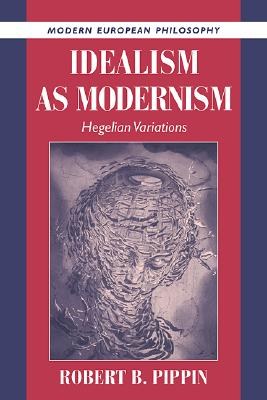
Robert Pippin disputes many traditional characterizations of the distinctiveness of modern philosophy. In their place he defends claims about agency, freedom, ethical life and modernity itself, all of which are central to the German idealist philosophical tradition, and in particular, to the writings of Hegel. Having considered the Hegelian version of these issues the author explores other accounts as found in Habermas, Strauss, Blumenberg, Nietzsche, and Heidegger.
作者简介
Robert Pippin is the Evelyn Stefansson Nef Distinguished Service Professor of Social Thought, Philosophy, and in the College at the University of Chicago. He is a member of the American Academy of Arts and Sciences, and of the American Philosophical Society.
目录信息
Part 1. The Original Options: Kant Versus Hegel:
2. Kant on the spontaneity of mind
3. On the moral foundations of Kant's Rechtslehre
4. Hegel, ethical reasons, Kantian rejoinders
5. Avoiding German idealism: Kant, Hegel, and the reflective judgment problem
Part II. Critical Modernism:
6. Hegel, modernity, and Habermas
7. Technology as ideology: prospects
Part III. Greeks, Germans and Moderns:
8. The modern world of Leo Strauss
9. Being, time, and politics: the Strauss-Kojève debate
Part IV. Narrating Modernity:
10. Blumenberg and the modernity problem
11. Modern mythic meaning: Blumenberg contra Nietzsche
Part V. Modernism and Nihilism:
12. Truth and lies in early Nietzsche
13. Nietzsche's alleged farewell: the Premodern, Modern, and Postmodern Nietzsche
14. Morality as psychology
psychology as morality: Nietzsche, Eros, and clumsy lovers
Part VI. Heidegger's 'Culmination':
15. On being anti-Cartesian: Hegel, Heidegger, subjectivity and sociality
16. Heideggerian postmodernism and political metaphysics
Part VII. Hegelianism:
17. Hegel's ethical rationalism.
· · · · · · (收起)
读后感
用户评价
“Idealism as Modernism” 这个书名,让我不禁想到了那些在时代洪流中,艺术家和知识分子们所经历的精神挣扎与超越。现代主义,作为一个涵盖了艺术、文学、哲学等诸多领域的广泛运动,其核心特征之一便是对传统价值观和表现手法的革新。然而,在这场看似彻底的颠覆背后,是否潜藏着一种对某种“理想”状态的执着追求?这种“理想”可能不再是古典的、形而上的纯粹理念,而是内嵌于个体主体性、存在体验,甚至是某种对未来社会的美好设想。我想这本书可能会深入探讨,如何在现代主义对现实的审视与批判中,依然保留着对某种更高价值的向往,或者说,如何在对经验世界的破碎化理解中,重新构建起一种新的精神秩序。例如,我会期待书中能够解析像乔伊斯、普鲁斯特这样的小说家,他们对意识流的探索,对记忆与时间的主观性处理,是否也是一种在解构传统叙事的同时,试图捕捉并呈现某种深层精神真实的方式?又或者,像马蒂斯、康定斯堡这样的画家,他们对色彩、形式的自由运用,是否也蕴含着对超越物质现实的某种视觉理想的追求?“Modernism”并非全然否定“Idealism”,而是以一种更加复杂、更加内在化的方式,重新演绎了理想主义的内涵。它可能不再是对外部世界宏大叙事的信仰,而是转向对个体内心世界的深度挖掘,对生命意义的持续追问,甚至是对艺术本身作为一种解放力量的信念。这本书的意义或许就在于揭示了现代主义运动中,那些被低估或被误读的理想主义维度,让读者重新审视现代性背后那份对美好与超越的永恒渴望。
“Idealism as Modernism” 这个书名,让我立刻感受到一种深刻的学术旨趣和对艺术史的某种重新审视。现代主义,通常被认为是对传统秩序的颠覆,对理性主义的质疑,以及对个体生存状态的尖锐反思。然而,一个“理想主义”的标签被置于其上,则引发了我极大的好奇。在我看来,许多现代主义者,即便是在描绘现实的荒诞与破碎,也常常流露出一种对某种“超越性”的渴望,一种对摆脱物质束缚、回归精神本源的隐秘追求。我期待这本书能够深入探讨,这种“理想主义”是如何在现代主义的实践中得以体现的。它是否指的是一种对艺术本体的绝对忠诚,一种在艺术形式创新中对美的极致追求?抑或是,一种在个体主体性被极度强调的时代,对内心真实情感的忠实表达,将艺术视为一种解放自我的方式?我非常希望书中能够涉及一些具体的艺术流派或艺术家,比如立体主义如何通过多视角来捕捉事物的本质,这是否也是一种对“真实”的理想化呈现?又或者,超现实主义如何通过对潜意识的探索,来构建一个更自由、更富想象力的精神世界,这本身不也包含着一种对突破现实局限的理想吗?“Idealism as Modernism” 这个标题,不仅仅是一个论断,更像是一个邀请,邀请读者一同去探寻在现代主义的表象之下,那些涌动着的、对更高层次存在的永恒追问与不懈追求。
“Idealism as Modernism” 这个书名,唤起我对于现代艺术与哲学中那些看似矛盾却又紧密相连的议题的思考。现代主义,作为一场深刻的文化变革,其对传统的颠覆和对现实的审视是毋庸置疑的。然而,我总觉得,在那些对破碎、异化、迷失的描绘之下,往往隐藏着一种对“秩序”或“意义”的深切渴望,这难道不也是一种理想主义的体现吗?我期待这本书能够深入探讨,现代主义如何在对既有价值体系的解构过程中,重新建构起一种新的精神坐标。这种“理想主义”,或许不再是宏大叙事的宏伟蓝图,而是转向对个体生命价值的肯定,对艺术创作本身作为一种精神实践的推崇,甚至是对某种超越物质的、精神性的真实状态的追寻。我会想知道,书中是否会分析那些在现代主义文学中,对人物内心世界进行精微描写的作家,例如普鲁斯特的记忆探索,这是否是一种在纷繁复杂的现代生活中,对“完整性”或“纯粹性”的理想追求?又或者,在绘画领域,像康定斯堡那样,试图用抽象的色彩和形式来传达一种精神的和谐与秩序,这是否也是一种“现代性的理想主义”?“Idealism as Modernism” 这个标题,预示着一种深入的洞察,它可能是在揭示,现代主义的革新并非是理想主义的终结,而是其在新时代背景下的一种变形与升华,是对人类精神永恒渴求的另一种表达。
“Idealism as Modernism” 这个书名,像一颗投入平静湖面的石子,激起了我心中关于现代艺术与精神追求的层层涟漪。我总觉得,现代主义的许多革新,与其说是对传统的全然否定,不如说是一种更深层次的、更内在化的理想主义的表达。当旧有的价值体系瓦解,当社会结构发生剧变,人类对于意义的追寻,对于“更好”状态的渴望,并不会随之消失,而是会以更复杂、更隐晦的方式呈现。我希望这本书能够深入挖掘,那些在现代主义浪潮中,艺术家和思想家们是如何在解构与重建的过程中,重新定义“理想”。这种理想,或许不再是宏大叙事的承诺,而是对个体经验的深度体认,对情感世界的真实袒露,甚至是对艺术本体的极致探索。我想,它可能会分析像表现主义艺术家那样,如何通过强烈的色彩和扭曲的线条来表达内心的情感冲击,这难道不是一种对情感真实性的理想追求吗?又或者,那些对抽象艺术的探索,是否也在试图捕捉一种超越物质世界的、更纯粹的精神本质?“Idealism as Modernism” 这个标题,预示着一种超越表象的洞察,它可能是在揭示,在现代主义看似混乱、破碎的外表之下,隐藏着一股强大而持久的精神动力,一股对某种更深刻、更真实、更“理想”的存在的向往。它让我期待一场关于现代精神的深刻对话,一次对艺术边界与人类灵魂深处奥秘的探索。
“Idealism as Modernism” 这个书名,让我立刻联想到那些在现代社会的巨变中,那些试图在精神层面寻找慰藉、确立新意义的知识分子和艺术家。现代主义,顾名思义,是关于“当下”的,是关于对现代生活经验的直面与回应。但究竟是什么在驱动着现代主义者去不断地探索、去不断地打破旧有的藩篱?在我看来,这背后必然存在着某种隐秘的、甚至是被压抑的理想主义。这种理想主义,或许不再是对宏大叙事的信仰,不再是对完美社会结构的蓝图,而是转变为对个体精神自由的追求,对生命内在价值的肯定,甚至是艺术本身作为一种精神救赎的信念。我期待这本书能够深入剖析,在现代性带来的疏离感、异化感之中,艺术家们是如何通过他们的作品,来构建一种新的精神家园,如何在破碎的现实中寻找一种完整的、有意义的存在。例如,我会想知道书中是否会探讨一些具体的例子,比如那些试图在艺术中重塑信仰的现代主义者,他们可能不再诉诸传统的宗教,而是将艺术创作本身视为一种神圣的仪式,将对美的极致追求视为一种对终极实在的探求。或者,那些在政治动荡和思想混乱的年代,依然坚持创作、坚持表达的艺术家,他们的坚持本身就可能是一种理想主义的体现,是对人类精神韧性的信念。这本书的名字暗示了一种视角,它试图揭示现代主义运动中,那些超越了纯粹形式实验,而直抵精神核心的那些探索,这些探索或许正是“理想主义”在现代语境下的全新变奏。
"Idealism as Modernism" - this title immediately sparks a desire to understand how such seemingly disparate concepts are interwoven. Modernism, in its revolutionary zeal, often appears to be a dismantling of established ideals, a descent into fragmentation and subjective experience. Yet, the suggestion that idealism is inherent *within* modernism implies a deeper, more nuanced understanding of this pivotal cultural period. I am compelled to consider how the modernist fascination with subjective reality, with the inner landscape of the mind, and with the raw, unfiltered expression of emotion, might itself be a form of idealism. Perhaps it is an idealism that has shifted its focus from external, societal perfection to internal, individual authenticity. Could it be that the modernist quest for new artistic languages – for abstraction, for stream of consciousness, for experimentation with form – was driven by an idealistic belief in the power of art to reveal profound truths about human existence, even if those truths were complex and often unsettling? I anticipate the book will explore how artists and writers, in their attempts to capture the essence of their time, were not merely reflecting reality but were actively shaping a new vision of it, a vision often imbued with a yearning for something more. The title suggests that the very act of confronting and transforming the modern world through art was, in itself, an idealistic endeavor. I'm eager to discover which specific modernist movements or figures the author will use to illustrate this compelling argument, and how they will demonstrate that the pursuit of an ideal, albeit a radically redefined one, remained a driving force.
"Idealism as Modernism" – the title itself is a fascinating invitation to reconsider the very nature of modernity and its relationship with enduring human aspirations. Often, modernism is associated with a certain disillusionment, a turning inward, and a radical break from past traditions. However, I’ve always felt that beneath this surface of fragmentation and critical inquiry, there lies a profound, albeit often unarticulated, idealism. The modernist project, in its relentless pursuit of new forms of expression and its deep engagement with subjective experience, can be viewed as a quest for a different kind of truth, a more authentic way of being in the world. I'm eager to explore how this title might suggest that the very act of artistic innovation and experimentation, so central to modernism, can be understood as a form of idealism. Perhaps it is an idealism rooted in the belief in the power of art to illuminate the human condition, to forge new connections in an increasingly atomized society, or even to offer a glimpse of a more profound, more meaningful reality. I anticipate that the book will delve into specific examples, perhaps examining how artists like Kandinsky, with his theories on the spiritual in art, or writers like Woolf, with her meticulous exploration of consciousness, were not merely rejecting the past but were, in their own revolutionary ways, striving towards a new ideal. The title promises a nuanced argument, one that seeks to bridge what might appear as a divide, revealing the continuous thread of idealism that runs through the complex tapestry of modernism, demonstrating that the quest for a higher truth or a more perfect state of being is not abandoned, but rather transformed.
The title "Idealism as Modernism" immediately suggests a critical re-evaluation of a period often characterized by its perceived cynicism and fragmentation. My own engagement with modernist thought has often led me to question whether the radical departures from tradition were, in fact, driven by an underlying idealism – a belief, perhaps, in the possibility of creating something entirely new and more authentic in the face of a rapidly changing world. I am particularly interested in how the book might explore the idea that the modernist emphasis on subjective experience, on the unique perception of the individual artist or writer, could be seen as a form of idealism. Instead of seeking universal, objective truths, perhaps modernists were striving for a different kind of truth – one rooted in the intensity and integrity of personal experience. I anticipate that the author will delve into how modernist artists and thinkers, in their rejection of bourgeois values and their experimentation with form, were attempting to articulate a vision of a more liberated, more meaningful existence. This could involve examining how movements like Futurism, with its embrace of dynamism and the future, or Dadaism, with its radical critique of reason, could be interpreted as idealistic quests to redefine human potential and societal structures, even if their methods were often destructive or ironic. The title implies that the spirit of idealism, far from being extinguished by modernity, has in fact found new and complex modes of expression within it, challenging conventional interpretations and promising a fresh perspective on this transformative era.
这本书的名字叫“Idealism as Modernism”,光是这个标题就充满了引人遐思的张力。它让我立刻联想到那些在现代主义浪潮中,试图以某种形式的理想主义来回应时代变革的艺术家、思想家和文学家。我们都知道,现代主义本身就是一场对既有价值体系和艺术形式的颠覆与重塑,它既是对现实的深刻反思,也常常伴随着对某种理想状态的追寻,即便这种追寻可能充满了矛盾和幻灭。那么,当“理想主义”这个本身就带有高度主观性和精神性的概念,与“现代主义”这个强调革新、实验和理性分析的时代特征结合在一起时,会碰撞出怎样的火花?这究竟是一种对现代性困境的哲学回应,还是一种艺术创作的新范式?是对于传统理想主义的现代性解读,还是在现代性语境下孕育出的全新理想主义?我期待这本书能够深入剖析这种复杂的关系,不仅仅是简单地将两者并置,而是去挖掘它们之间内在的联系、张力以及可能存在的辩证统一。它会不会探讨像康德、黑格尔那样的古典理想主义,在进入现代社会后,如何被现代性的理性主义、科学主义以及对个体主体性的强调所重塑?又或者,它会关注那些在现代艺术和文学中,那些模糊了理想与现实边界,将个人主观体验推向极致,以至模糊了作品与作者界限的创作实践,是否也可以被视为一种“现代性的理想主义”?我非常好奇作者将如何界定和展开“理想主义”与“现代主义”这两个概念,以及如何通过具体的例子来论证其核心观点。这本书的标题本身就具有学术研究的深度和人文关怀的温度,它承诺的不仅仅是一次概念的梳理,更可能是一次对现代精神内核的深度探寻。
The title "Idealism as Modernism" immediately struck me as an intriguing paradox, or perhaps a subtle redefinition. Modernism, often characterized by its fragmentation, alienation, and skepticism towards grand narratives, might seem antithetical to idealism, which traditionally connotes a belief in inherent goodness, perfectibility, or transcendental values. Yet, as I ponder this title, I am drawn to the possibility that modernism itself, in its relentless pursuit of new forms of expression and its deep engagement with the subjective experience of the individual, can be seen as a manifestation of a certain kind of idealism. Perhaps it’s an idealism that has shed its utopian naïveté and embraced the complexities and contradictions of the modern world. I imagine the book will delve into how artists and thinkers of the modernist era, while grappling with industrialization, urbanization, and the breakdown of traditional social structures, sought to find meaning and value in new ways. This could involve exploring the modernist fascination with the inner life, the subconscious, and the power of individual perception. Could it be that the modernist artist, in their radical experimentation and their often-solitary creative process, were themselves enacting a form of idealism, believing in the power of art to transform consciousness or to offer a glimpse of a different kind of reality? I'm keen to see if the book will examine how this idealism might manifest in specific artistic movements, such as Expressionism's intense emotional outpouring, or Surrealism's exploration of the dreamscape, both of which, in their own ways, sought to transcend the mundane. The title suggests a nuanced argument, one that might challenge conventional understandings of both idealism and modernism by revealing their unexpected interconnectedness.