
具体描述
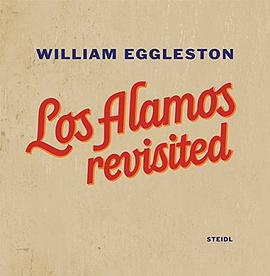
William Eggleston’s work stands as a pivotal force in the evolution of color photography, transforming what was once seen as a decorative tool into a profound medium for artistic expression. Emerging in the late 1960s and early 1970s, Eggleston captured the unassuming rhythms of everyday life—gas stations, diners, parking lots, and suburban backyards—with an unflinching clarity and a deep sense of color that defied conventional expectations. Unlike documentary photography that aimed for objective truth or painterly manipulation, Eggleston embraced saturation and contrast not as stylistic flourishes but as authentic reflections of how he perceived the world: vivid, complex, and emotionally resonant. His technical mastery lies in his deliberate use of Kodachrome film, a medium known for its rich tones and stability, which allowed him to render colors with an almost hyperreal intensity while preserving the gritty texture of real environments. He often shot on location with natural light, capturing the subtle shifts from dawn’s pale glow to midday’s harsh brightness, imbuing mundane scenes with poetic depth. This approach challenged prevailing notions that color photography was secondary to black and white, asserting instead that color could carry narrative weight and emotional nuance equal to any other artistic medium. Eggleston’s compositions reveal a quiet poetics—his frames are often balanced, centered on ordinary objects or faces that convey solitude, transition, or transformation. A simple gas pump becomes a symbol of passage; a faded sign at dusk speaks to memory and impermanence. His subjects remain grounded in the present, yet they invite contemplation, drawing viewers into spaces usually overlooked. This focus on the ephemeral, the transient moments embedded in routine life, redefined the documentary impulse by elevating it beyond reportage to a contemplative art form. Though his work emerged during a period of artistic upheaval—when abstraction and conceptualism dominated—the steadiness and emotional honesty of Eggleston’s photography carved a unique path. He did not seek shock or detachment but connection, using color to reveal the beauty hidden in the unremarkable. His influence extends far beyond photography, shaping generations of artists who recognize that truth need not be stark or monochrome, that artistry resides in observation and sensitivity rather than dramatic intervention. By treating color as both subject and voice, Eggleston’s body of work remains a testament to the power of seeing deeply, of finding poetry in plain sight. His photographs are more than snapshots; they are intimate chronicles of American life, colored by memory, perception, and an unwavering commitment to the poetic potential of the everyday.
作者简介
目录信息
读后感
用户评价
一路见闻啦
familiarity is what will overwhelm us in the end.
一路见闻啦
刚从快递手上接过William Eggleston的 《Los Alamos Revisited》,就憋不住要拍给大家看, 这套书共有三本,整套书收录的是William Eggleston在1965 ~1974期间拍的400多张彩色照片,开本超大色彩超正给人超满足的翻阅感,一个字,爽!不过对于快递来说简直是灾难,送这本五公斤的书一定流了不少汗吧。
familiarity is what will overwhelm us in the end.