
具体描述
Review
"Dr. Blaydes seeks to answer the question, 'Why do authoritarian rulers like Egypt's Hosni Mubarak, hold elections?' Her research examines how the regime in Egypt sustains its undemocratic rule with elections. She argues that elections represent a Pareto improvement for all relevant actors in Egyptian politics - the regime, citizens, and the political elite, including rent-seeking political entrepreneurs, ideological opposition and the military as well as external actors. This book is likely to shift the dominant Egyptian paradigm from a lingering fascination with the cultural structuring of social movements toward a reconsideration of political rationality in unexpected places."
-Leonard Binder, University of California, Los Angeles
"Political scientists are finally returning sustained and rigorous attention to the ways that authoritarian regimes of various stripes operate. As they do so, they will find Lisa Blaydes's Elections and Distributive Politics in Mubarak's Egypt singularly useful. Blaydes deftly employs Egypt's electoral system as an avenue for understanding how the regime operates, how citizens (both rich and poor) experience the political system and act politically, and how real and potential opposition act in the constricted channels provided. Elections in authoritarian systems are not anomalous; they have become the norm. Blaydes helps us understand how balloting fits into authoritarian politics."
-Nathan J. Brown, The George Washington University
"Blaydes explores the mechanisms by which competitive parliamentary elections help sustain authoritarianism in contemporary Egypt. Competitive elections perform multiple functions, from managing distributional conflict among the elite to mapping the spatial distribution of regime supporters. Blaydes moves fluidly from the perspective of the regime and the rent-seeking elite to that of citizens, both supporters and regime opponents, carefully weighing the costs and benefits of participating in elections to a powerless parliament. Elections and Distributive Politics combines thematic breadth, insightful analysis, and methodological rigor; all students of authoritarian dynamics will find valuable lessons in this important book."
-David Waldner, University of Virginia
"A wonderfully incisive analysis based on new data and judicious personal observation, this is the first comprehensive answer to the puzzle of why the Egyptian regime spends so much effort on the organization of elections without choices. Blaydes makes an expert contribution to the study of the political behavior of authoritarian regimes. If you read one book on contemporary Egyptian politics, read this."
-Roger Owen, Harvard University
Book Description
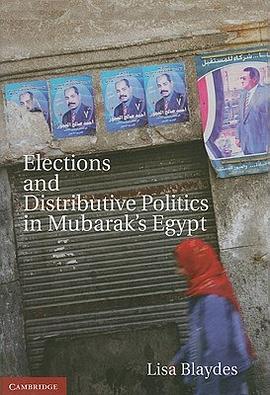
Although it would seem that elections matter little in authoritarian countries, elections are not only common in authoritarian regimes but also very useful for the dictator in efforts to keep power. This book examines the significance of elections in authoritarian Egypt.
作者简介
目录信息
读后感
用户评价
我对政治学中的“国家与社会关系”理论一直非常感兴趣,尤其是在威权主义背景下,国家如何通过各种机制来维系其统治,以及社会力量又如何在这种压制下寻找生存和发展的空间。Elections and Distributive Politics in Mubarak's Egypt 的书名,让我预感到这本书可能深入探讨了国家与社会之间错综复杂的关系。我想知道,穆巴拉克政府是如何利用选举这一工具来管理社会、分化利益,从而巩固其统治的?同时,社会中的不同群体,例如精英阶层、商业利益集团,甚至普通民众,他们又是如何通过参与(或不参与)选举来影响资源的分配,并以此来追求自身利益的?这种互动是否塑造了一种特殊的政治文化?
这本书的名字,Elections and Distributive Politics in Mubarak's Egypt,光是读着就让人感觉沉甸甸的,仿佛蕴含着一段复杂而深刻的历史。我是在一个关于中东政治的学术研讨会上偶然听人提到这本书的,当时就立刻被这个主题吸引住了。一直以来,对于埃及在穆巴拉克统治下的政治生态,我总觉得隔着一层纱,看不透其中的运作机制。尤其是“分配性政治”这个词,更是激起了我的好奇心。它到底指的是什么?是资源分配?权力分配?还是利益分配?这种分配是如何影响选举过程的?选举又反过来如何塑造这种分配?这些都是我一直以来思考的问题,而这本书的名字似乎就是为我解开这些疑惑而生的。
我曾花费大量时间阅读关于阿拉伯之春的书籍和文献,但很多时候,这些作品侧重于描绘革命爆发的宏观背景和民众的情绪,对于革命前夕,即穆巴拉克时期埃及政治肌理的深入剖析却相对不足。Elections and Distributive Politics in Mubarak's Egypt 恰好填补了这一空白。我期待它能够提供一个更加微观、更加具象的视角,去理解在那个看似铁板一块的政权下,政治权力是如何被分配和争夺的。尤其是“选举”这个词,在非民主政体中,选举往往被视为一种表演,一种合法性的妆点。那么,在穆巴拉克时期的埃及,选举究竟扮演了怎样的角色?它仅仅是橡皮图章,还是其中也暗藏着一些可以被利用的空间,一些可以影响分配的节点?
在研究“转型期政治”时,我常常会遇到一些国家,它们在经历了长期的独裁统治后,试图向民主化方向迈进,但往往步履维艰,甚至出现“民主倒退”。Elections and Distributive Politics in Mubarak's Egypt 的书名,让我好奇,穆巴拉克时期的埃及,在选举制度和分配性政治方面,是否埋下了导致后来政治动荡的伏笔。我希望这本书能够帮助我理解,在威权主义时期,这些看似“有效”的政治操作,是如何在长期累积中,最终导致了国家政治的剧烈变化。
在我看来,理解任何一个国家,都不能仅仅停留在其官方宣布的政策和制度层面,更需要深入挖掘那些在幕后运作的潜规则和权力网络。Elections and Distributive Politics in Mubarak's Egypt 的书名,让我预感这本书将是一本揭示“幕后故事”的作品。我好奇,在穆巴拉克时期,选举是否仅仅是一种表面文章,而真正的权力分配和政治决策,是否是通过非正式的渠道,例如家族关系、军事集团、或者商业寡头之间的联盟来实现的?而“分配性政治”又如何在这种非正式的网络中发挥作用,影响着选举的结果和国家的走向?
我一直在寻找能够深入解释“后殖民时期”非洲和中东国家政治发展轨迹的书籍,特别是那些能够解释其独特的政治制度和社会结构的书籍。Elections and Distributive Politics in Mubarak's Egypt 的书名,让我对它在这一领域的贡献充满了期待。埃及作为阿拉伯世界的领头羊,其政治模式对整个地区都可能产生深远影响。我希望这本书能够深入剖析穆巴拉克政府的政治遗产,特别是其在选举和资源分配方面的政策,如何塑造了埃及当前的政治和社会现实,以及这些模式是否在后穆巴拉克时代依然有所延续。
作为一名长期关注发展中国家政治转型的读者,我对那些表面稳定但内部却潜藏着巨大张力的政权尤其感兴趣。穆巴拉克时代的埃及,在许多人眼中是一个稳定的象征,但稳定性背后往往隐藏着不为人知的压抑和不公。Elections and Distributive Politics in Mubarak's Egypt 的书名,让我立刻联想到这种“稳定”背后的权力运作逻辑。我很好奇,这本书是否能够揭示出,选举制度和分配性政治是如何被精心设计和操控,以至于在表面上维持了国家的稳定,但实际上却累积了导致后来的剧烈变革的社会矛盾。
在阅读了一些关于埃及政治的书籍后,我发现大多数都侧重于描绘政治制度的宏观框架,例如总统制、议会制等,或者集中于某个特定的历史事件,例如“开罗之春”等。然而,我更感兴趣的是那些更细微、更具操作性的政治机制,例如“分配性政治”如何渗透到日常政治生活中,以及“选举”如何在其中扮演具体角色。Elections and Distributive Politics in Mubarak's Egypt 的书名,让我看到了希望。我希望这本书能够提供具体的案例分析,揭示出在穆巴拉克统治下的埃及,政治精英是如何通过控制选举程序,分配国家资源,来收买支持、压制反对,并维持其统治合法性的。
我一直对政治经济学和政治社会学的交叉领域情有独钟,认为理解一个国家的政治,必须同时理解其经济结构和利益分配模式。Elections and Distributive Politics in Mubarak's Egypt 的书名,恰好触及了我最感兴趣的交叉点。我期待这本书能够清晰地阐述,经济利益是如何与政治权力相互交织的,尤其是通过选举这一政治程序,经济精英和政治精英是如何合作或竞争,来影响资源(例如土地、补贴、基础设施项目等)的分配,并最终巩固或挑战现有政治秩序的。
关于阿拉伯世界的政治,我一直觉得“威权主义”是一个非常核心但又非常难以准确把握的概念。它不像共产主义那样有明确的意识形态,也不像民主那样有清晰的制度框架。Elections and Distributive Politics in Mubarak's Egypt 的书名,让我认为这本书可能会为理解“埃及式的威权主义”提供一个有价值的框架。我希望它能够深入分析,穆巴拉克政府是如何巧妙地运用选举这一看似现代化的制度,与传统的权力分配模式相结合,来维持其统治的,并且这种结合如何使得其威权主义呈现出独特的面貌。
教科书式的一部比较政治、国别政治的著作,揭示了威权政体下的选举不仅具有已被大量研究证实的提供合法性的功能,同时通过对租金的可信分配以及为统治者提供信息,起到了巩固威权统治的重要功能。竞争性议会选举在埃及等威权国家中,代表着面对一系列政治挑战的威权政权的理性甚至是最佳反应。作者在结论部分也谈到了利用竞争性选举而创造出的这一威权政体的均衡在一定条件下有可能被打破,戏剧性的是,就在本书出版不到一年,穆巴拉克的政权真的就在阿拉伯之春的浪潮中被推翻。
教科书式的一部比较政治、国别政治的著作,揭示了威权政体下的选举不仅具有已被大量研究证实的提供合法性的功能,同时通过对租金的可信分配以及为统治者提供信息,起到了巩固威权统治的重要功能。竞争性议会选举在埃及等威权国家中,代表着面对一系列政治挑战的威权政权的理性甚至是最佳反应。作者在结论部分也谈到了利用竞争性选举而创造出的这一威权政体的均衡在一定条件下有可能被打破,戏剧性的是,就在本书出版不到一年,穆巴拉克的政权真的就在阿拉伯之春的浪潮中被推翻。
教科书式的一部比较政治、国别政治的著作,揭示了威权政体下的选举不仅具有已被大量研究证实的提供合法性的功能,同时通过对租金的可信分配以及为统治者提供信息,起到了巩固威权统治的重要功能。竞争性议会选举在埃及等威权国家中,代表着面对一系列政治挑战的威权政权的理性甚至是最佳反应。作者在结论部分也谈到了利用竞争性选举而创造出的这一威权政体的均衡在一定条件下有可能被打破,戏剧性的是,就在本书出版不到一年,穆巴拉克的政权真的就在阿拉伯之春的浪潮中被推翻。
1-3,5-6,12; 已经被两位大佬推荐了,确实是很有格局的比较政治著作,也不知道除了Magaloni以外还有什么Redistribution under Authoritarianism的研究
与Magaloni对墨西哥PRI的研究相似,本书为选举式威权研究的又一范例,其研究对象是穆巴拉克治下的埃及。作者认为,威权国家选举的作用(功能)在于两方面,一是可信地分配租金;二是为统治者提供信息。这种选举跟民主化(的意图)没有关系,只是专制者的理性选择。