
具体描述
Persian literature is the jewel in the crown of Persian culture. It has profoundly influenced the literatures of Ottoman Turkey, Muslim India and Turkic Central Asia. It has been a source of inspiration for Goethe, Emerson, Matthew Arnold and Jorge Luis Borges among others and praised by William Jones, Tagore, E. M. Forster and many more. Yet although in the past few years the poems of Rumi have attracted the kind of popular attention enjoyed by Omar Khayyam in the 19th century, Persian literature has never received the attention it truly deserves.
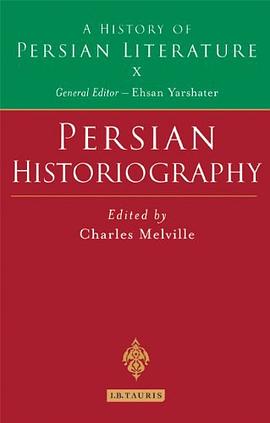
A History of Persian Literature answers this need and offers a new, comprehensive and detailed history of its subject. This 18-volume, authoritative survey reflects the stature and significance of Persian literature as the single most important accomplishment of the Iranian experience.Prominent scholars in the field bring a fresh critical approach to bear on this important topic and each volume includes representative samples of this literature.
In this volume, the Editors offer an indispensable overview of Persian literature’s long and rich historiography. Highlighting the central themes and ideas which inform historical writing, this book traces the development of writing about history as a literary form from its origins with the Ferdowsi Shahnameh and its evolution under the Safavids, through the twilight of the Court Chronicle Tradition and simultaneous emergence of a national historiography during the 18th century and up to the Pahlavi Era. This volume also offers a comprehensive and invaluable examination of the concurrent developments within historiography in Central Asia and Afghanistan, examining themes and subjects that are common to many fields of Persian literary study. Persian Historiography will be an indispensable source for the historiographical traditions of Iran and the essential guide to the subject.
作者简介
Charles Melville is Professor of Persian History and Fellow of Pembroke College at the University of Cambridge, where he teaches Persian language and literature and medieval Middle Eastern history. His particular research interests include the history and historiography of Mongol and Safavid Iran and illustrated manuscripts.Among his numerous publications he is the editor of Safavid Persia and joint editor of the Cambridge History of Iran, vol. VII. He is also Director of the AHRC Cambridge Shahnameh Project.
目录信息
读后感
用户评价
这部作品的叙事方式简直是教科书级别的范本,作者以一种近乎雕塑般的精确性,将历史事件的脉络层层剥开,展现在读者面前。它没有那种宏大叙事的喧嚣,而是专注于细节的打磨,那种细致入微的考据工作,让人不禁赞叹。比如,他对某个特定王朝继承人问题的梳理,不是简单地罗列时间线,而是深入到当时宫廷内部的权力博弈、家族联盟的微妙变化之中,甚至连那些被后世史官有意无意忽略的边缘人物的言行,都被巧妙地嵌入叙事结构里,形成一个复杂而又自洽的知识体系。阅读体验就像是走入一个设计精妙的迷宫,每一步都需要全神贯注,因为错过一个不起眼的角落,可能就会错失理解整个宏大图景的关键钥匙。尤其欣赏的是,作者在处理那些充满争议性的历史节点时所展现出的克制与平衡,他没有急于下结论,而是提供了多种互为印证或相互矛盾的史料侧面,将判断的权利最终交给了求知若渴的读者。这种尊重读者的态度,使得这本书不仅仅是知识的单向传递,更像是一场双向互动的智力探险。
这本书的引人入胜之处,恰恰在于它对“沉默”的关注。在浩如烟海的文献记载中,我们总习惯于聚焦于那些帝王将相的赫赫功绩或滔天罪行,但这部作品却将目光投向了那些“未被记录”的部分。作者巧妙地利用现存资料的空白、矛盾之处,乃至官方史书中那些不合时宜的删减痕迹,来重建被压抑的声音。这是一种侦探般的工作,通过分析“不在场”来推断“发生了什么”。例如,它对某一特定时期农民起义的记载,几乎没有直接的口述或官方记录,作者就通过分析当时的税收变化趋势、粮食价格波动以及边防军的调动日志,构建了一个极具说服力的关于社会张力累积的模型。这种“反向工程”式的历史重建,极大地丰富了我们对历史社会肌理的理解,让人深切体会到,历史的真相往往藏匿于那些最不显眼的数据和最不被注意的行政公文之中。
这本书的语言风格,老实说,初读时会让人有些措手不及,因为它完全摒弃了通俗历史读物中常见的流畅、易懂的叙事腔调。它更像是一份精心翻译的古代文献汇编,充满了学究式的严谨和术语的密集。然而,一旦适应了这种独特的节奏和词汇密度,你会发现其中蕴含着一种冷峻而独特的美感。作者似乎在刻意构建一道“知识的壁垒”,只有真正愿意沉下心来啃读的人,才能破译其深层的学术密码。这种“晦涩”并非故作姿态,而是源于其对原始资料的忠诚——它试图还原历史文本被发现时的原始语境和复杂性。我特别留意到他对地理名词和人名地名的处理,常常附带详尽的溯源注释,这对于任何试图进行二次研究的学者来说,都是无价之宝。这本书的价值不在于让你“轻松了解”某个朝代,而在于教会你“如何精确地审视”那些被主流历史叙事所美化的表象,强迫你直面历史的粗粝和多面性。
如果要用一个词来形容阅读这本书的整体感受,那一定是“挑战”。这绝对不是一本适合在通勤路上消遣的读物。它对读者的预设知识量要求很高,如果对相关的地理、宗教背景缺乏基础了解,前几章的阅读体验可能会非常受挫,仿佛在试图阅读一幅没有图例的复杂地图。然而,一旦跨越了最初的门槛,那种豁然开朗的感觉是无与伦比的。它所提供的视角是如此独特而犀利,以至于我再回顾以往阅读的某些大众历史读物时,总会下意识地用这本书的标准来审视和解构它们。这本书迫使我重新思考自己是如何理解“过去”的——它不是一个已经完成和固定的实体,而是一个需要通过不断地批判性发掘和重新阐释才能勉强触摸到的动态过程。它给我的最大收获,是建立了一套更具批判性思维的框架,去面对未来遇到的任何历史论述。
我必须坦诚,这本书的结构设计是极其反直觉的,它没有采用线性时间轴的组织方式,而是围绕几个核心的“概念性冲突”展开。例如,它可能用三分之一的篇幅来探讨“权威的合法性在特定历史时期是如何通过仪式被构建和维护的”,而不是简单地讲述皇帝如何登基。这种主题驱动的叙事手法,初看起来非常跳跃,常常需要读者不断在不同时代背景之间进行心智上的切换和比对。但正是这种“非线性”的处理,揭示了人类社会在不同历史阶段中,面对相似的权力困境时所展现出的惊人的一致性与地域性的差异。读完之后,我感觉自己对“历史事件”这个概念本身产生了更深层次的怀疑——事件不再是孤立的节点,而成了某种更深层社会结构持续作用下的必然或偶然的“表征”。这本书与其说是在讲述历史,不如说是在解剖历史学这门学科的底层逻辑和方法论。