
具体描述
作者简介
目录信息
The authors and series editor
Foreword
Introduction
How to use this book
Activity Language focus
1 Grammar exercises and drills
1.1 Decisions
1.2 From ' a' to ' the
1.3 1 know what my
teacher has done
1.4 Random comparisons
1.5 Character building
1.6 My country/district
1.7 Controversial questions
1.8 The wonderful world of
inventions
1.9 Is that right?
1.10 My grammar problem
Mixed conditionals
Use of articles
Present perfect
Comparative adjectives
Simple present
'Can' (possibility)
Passive in simple past
Talking about past
events
Confirming
Learners' problems
2 Vocabulary
2.1 Dr Jekyll and Mr Hyde
2.2 Beat the expert
2.3 Telephone numbers
2.4 Make your own picture
dictionary
2.5 Finish my family tree
2.6 Random phrasal verbs
2.7 The merry alphabet
2.8 What shall we eat?
2.9 What's gone?
2.10 Five favourite words
Adjectives of character
and physique
Expansion of topic
vocabulary
Numbers and telephone
language
Identifying lexical gaps
in easy-to-draw lexical
fields
Families and ' have
got'
Phrasal verbs
Vocabulary activation
and expansion
Names of food
products, and giving
instructions
Names of everyday
objects and raw
materials
Revising vocabulary
3 Integrated skills
3.1 The Daily Gutter Language of discussion
and interviews
3.2 Start your own business Talking about skills,
language of advertising
3.3 Draw the simple present Names of objects,
spatial prepositions,
simple present
3.4 Invent your own country Revision of simple
3.5 Robots
3.6 Job interviews
3.7 School reports
3.8 Holiday precautions
3.9 Do you recognize your
home?
3.10 Arguments
present, simple past, and
present perfect
Instructions and
discussion
CVs, talking about
qualifications,
interviewing
Revision of functions,
register
Giving warnings,
stating precautions
Describing homes
Language of discussion,
putting forward
arguments
4 Writing
4.1 Dictionary of
4.2 The shortest review
4.3 What would you like
to know?
4.4 What's the news today?
4.5 How much do we
really know?
4.6 Whose life?
4.7 My great-, great-,
great-
Topic vocabulary,
definitions, dictionary
entries
Organization of a
paragraph, linking words,
paraphrasing
Organizing information
Language of headlines,
expressing attitudes
Organizing information
Writing biographies
Describing people and
past events
4.8 The review of the
decade
4.9 Fictional agony column
4.10 Number poetry
Negotiating, organizing
information
Describing problems,
giving advice
Playing with words
5 Translation
5.1 Telephone call
5.2 My favourite numbers
and dates
5.3 My story?
5.4 What is your text about?
5.5 How long will you
manage?
5.6 Silent conversation
5.7 Home becomes England
5.8 Message passing
5.9 Collective cultural
consciousness
5.10 Do you know this
song?
Everyday exchanges
Numbers, dates, simple
present and simple past
Giving the gist
Scanning, asking and
answering questions
Answering questions
Dialogue building
Language of signs and
notices
General fluency practice,
sentence structure
Language of poetry
Giving the gist,
summarizing
6 Games
6.1 Mastermind
6.2 Presents
6.3 Drawing prepositions
6.4 Irregular verbs match
Asking questions
Describing people and
objects, persuading
Spatial prepositions,
giving instructions
Irregular verbs
6.5 Effective shopping
6.6 Travel quiz
6.7 The 'why' game
6.8 The chat show
6.9 Tennis
6.10 Invent a game
Language of shopping,
describing objects
Simple present, times,
prices
Asking questions
Asking questions, espe-
cially in the simple past
'Weall', 'Allofus',
' None of us'
Giving instructions
7 Exam preparation
7.1 Ideal classroom
7.2 Our dialogue
7.3 What's in the picture?
7.4 What do you mean?
7.5 We test you, you test us
7.6 Letters
7.7 Listening comprehension
7.8 Cloze test
7.9 Contextualizing the
question
7.10 Word building
Planning and talking
about a picture, spe-
culating, giving reasons
Open dialogue, predict-
ing, appropriacy,
reference
Talking about a picture,
spatial arrangement
Structural reformulations
Writing tests
Grammar revision
Writing questions and
listening comprehension
texts
Grammar revision
Speed reading, intensive
reading
Families of words,
grammar categories
8 How to think learner-based teaching
8.1 Teacher-based learning
8.2 Planning a lesson: 1
8.3 Planning a lesson: 2
Introducing learner-based teaching into your classroom
· · · · · · (收起)
读后感
用户评价
如果说这本书有什么突出的地方,那或许是它对评估体系的批判性审视。在章节的后半部分,作者开始将焦点从纯粹的教学设计转向了如何衡量学生学习成果的有效性。这部分内容写得颇有力度,直接挑战了标准化测试在衡量“主体性学习”方面的局限性。作者提出了一套基于过程和表现的多元化评估模型,强调档案袋、同伴互评和自我反思日志的重要性。这种对评估工具的深刻反思,确实拓宽了我的视野,让我开始重新审视我目前使用的期中考试和单元测验的真正价值。然而,在提出这套复杂评估体系的同时,书中对如何实际操作大规模的、可信赖的档案袋系统却着墨不多。例如,如何确保不同教师对“表现性任务”的评分标准保持一致性,以及如何处理学生在自我评估中可能出现的偏见,这些实操层面的难题似乎被轻轻带过了,留给读者自行摸索。这让我感觉,作者在批判旧系统方面非常有力,但在构建新系统上,似乎还停留在蓝图阶段,缺乏实际操作层面的细节指导。
我发现这本书在引文注释的规范性上做得极为出色,参考文献列表详尽且结构清晰,显示出作者在学术研究上的严谨态度。每一次观点提出,几乎都能在后注中找到明确的出处,这对于需要进行深入研究或撰写学术论文的读者来说,是极大的便利。这种对知识来源的尊重和透明化处理,无疑提升了全书的学术公信力。但有趣的是,这种过度的依赖外部权威,似乎在某种程度上压抑了作者自身的、鲜活的教学经验的展现。全书读下来,我没有捕捉到太多作者自己“犯错后重来”、“课堂上灵光乍现”的真实瞬间。它讲述的似乎是一个“理想中的教学者”所建构的理论大厦,而不是一个“真实中的教师”在反复实践中摸索出来的经验结晶。因此,尽管理论构建得无懈可击,但它缺乏一种亲和力——那种能让读者在字里行间感受到“我也有过类似的困境,我们一起想办法”的共鸣感。它更像是一个高高在上的导师在进行宣讲,而不是一个并肩作战的伙伴在分享心得。
这本书的行文风格非常严谨,几乎每一句话都经过了精密的推敲,学术气息浓厚得有些令人喘不过气。它仿佛一本用德语思维方式写就的教育学著作,逻辑链条环环相扣,论证过程一丝不苟。对于语言的运用上,它极少使用口语化的表达或生动的比喻,而是大量采用复合句和专业术语,这使得阅读过程成为一种智力上的挑战。我花了相当长的时间去消化其中关于认知负荷理论和学习动机维持机制的交叉论述部分。作者似乎非常在意论证的完整性,反复引用数据和实验结果来支撑其核心观点,但这反而使得阅读的流畅性大打折扣。对于那些寻求轻松阅读体验的教育工作者来说,这本书更像是一份需要耐心的学术报告。它没有提供太多可以激发灵感的“火花时刻”,更多的是一种冷静、客观、近乎冷酷的理论分析。我个人更倾向于那种夹杂着教师个人反思和教学轶事的书籍,能让人感受到教育实践的温度,而这本书则像是一件打磨精良但缺乏人情味的精密仪器。
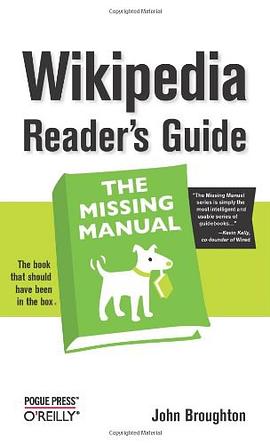
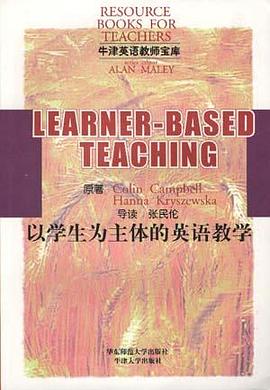
这本书的封面设计很吸引人,充满了活力,让人一眼就能感受到它对传统教育模式的挑战与革新。在阅读之前,我期待着能看到一些关于如何将课堂重心切实转移到学生身上的具体策略。然而,这本书的内容似乎更侧重于对现有教学理论的宏观梳理和抽象概念的阐述,而非我所期盼的、可以立刻在日常教学中实践的操作手册。它花了大量的篇幅去探讨“主体性”在后现代教育哲学中的地位,引用了诸多学者的观点,构建了一个非常坚实的理论框架。对于那些热衷于教育学理论探讨的学者来说,这无疑是一部深度十足的参考书,它系统地梳理了从建构主义到批判性教学法中关于学生能动性的演变脉络。但是,作为一名一线教师,我希望能看到更多关于如何在资源有限的班级环境中,设计出既能激发学生内在驱动力,又符合课程标准的活动。书中提到的案例往往是理想化的、小规模的研讨会场景,这与我面对四五十名不同学习背景学生时的现实情况存在一定的鸿沟。整体而言,它提供了一个深刻的“为什么”,却在“如何做”的层面显得相对单薄和高屋建瓴,读完后,我更多的是对教育理念有了更深的理解,而不是马上就能应用到我的教案之中。
这本书的排版和装帧设计,坦白说,略显陈旧,给人的第一印象是它可能是一本出版时间较早的学术专著。字体选择偏小,行距也比较紧凑,长时间阅读下来,眼睛会感到比较疲劳。内容上,它似乎更关注理论的“宏大叙事”,对于当下全球英语教学领域的热点话题,比如人工智能辅助教学、跨文化交际能力培养的最新进展等,鲜有提及或讨论深度不够。全书的讨论范围似乎被限定在了某个特定的时间段和地域的教育实践之内,这使得它在面对快速迭代的现代语言教学环境时,显得有些滞后。我原本希望看到一些关于如何利用数字化工具来增强学生自主学习的章节,但书中引用的技术案例大多是早期阶段的构想,缺乏对当前主流技术生态的整合。这让这本书更像是一部扎实的理论基石,而不是一本紧跟时代脉搏的教学指南。它的价值在于奠定基础理解,但对于寻求即时、前沿解决方案的读者而言,可能会感到意犹未尽。