
具体描述
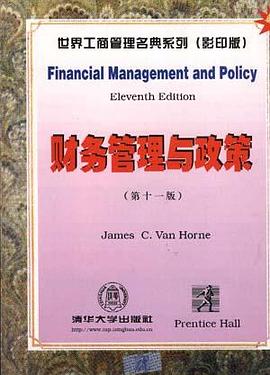
财务管理与政策
(第十一版)
财务管理的理论与实践在迅速变化发展。这既是由于人们对财务管理
的内在规律的理解进一步得以深化。也因为财务管理者所处的环境日新月
异。财务管理在大多数现代企业中已居无庸置疑的核心地位。
财务管理的核凡内容是资金运作的管理,包括资金的筹集、使用和分
配。因此,财务管理的关键决策领域有融资决策、投资决策和分配决策三
块。本书将围绕上述关键领域展开探讨,告诉读者应如何有效地利用资源,
制定最佳的资本结构和资本预算,协调利益相关者之间的权益。适应经常
变化的法律和法规,以及怎样进行国际财务管理。
本书目的有三:1.通过精辟的阐述,使读者不仅能领略不断发展的财
务理论之精妙,还能理解和评价一个企业的投资决策、融资决策和股利政
策应如何紧密结合,共成系统,为企业财务管理的基本目标――股东财富
最大化――作出贡献;2.读者将会熟悉财务政策制定过程中的分析方法、
决策标准和决策技巧;3.本书提供了必要的制度性资料,以使读者能深刻
理解财务决策所面临的环境因素。
本书资料新颖,有较好的案例,在内容安排上循序渐进,重点突出,
可读性较强。
本书适合作为MBA的财务管理初级教材以及大学本科高年级的财务管
作者简介
目录信息
PART I
FOUNDATIONS OF FINANCE
Vignette: Coca-Cola, The Most Admired Corporation
CHAPTER 1 Goals and Functions ofFinance
CHAPTER 2 ConceptsinValuation
CHAPTER 3 Market Risk and Retums
CHAPTER 4 Multivariable and Factor Valuation
CHAPTER 5 Option Valuation
PART II
INVESTMENT IN ASSETS AND REQUIRED RETURNS
Case: Fazio Pump Corporation
CHAPTER 6 Principles of Capital Investment
CHAPTER 7 Risk and Real Options in Capital Budgeting
CHAPTER 8 Creating Value through Required Retums
PART III
FINANCING AND DIVIDEND POLICIES
Vignette: Boeing Company
CHAPTER 9 Theory of Capital Structure
CHAPTER 10 Making Capital Structure Decisions
CHAPTER 11 Dividend Policy: Theory and Practice
PART IV
LIQUIDITY AND WORKING CAPITAL MANAGEMENT
Case: Flores Distributors, Inc
CHAPTER 12 LIquidity, Cash, and Marketable Securities
CHAPTER 13 Management ofAccounts Receivable and Invenfbries
CHAPTER 14 Short-Term Financing
CHAPTER 15 Secured Loans and Term Financing
PART V
CAPITAL MARKET FINANCING AND RISK MANAGEMENT
Case: Dougall & Gilligan Global Agency
CHAPTER 16 Foundations for Longer-Term Financing
CHAPTER 17 Lease Financing
CHAPTER 18 Issuing Securities
CHAPTER 19 Fixed-Income Financing and Pension Liability
CHAPTER 20 Option Financing: Warrants, Convertibles,
and Exchangeables
CHAPTER 21 Managing Financial Risk
PART VI
EXPANSION AND RESTRUCTURING
Case: Marriott Restructuring
CHAPTER 22 Mergers and the Marketfor Corporate Control
CHAPTER 23 Corporate and Distress Restructuring
CHAPTER 24 Intemational Financial Management
PART VII
TOOLS OF FINANCIAL ANALYSIS AND CONTROL
Vignette: New YorkTimes Company's New CFO
CHAPTER 25 Financial Ratio Analysis
CHAPTER 26 Financial Planning
APPENDIX: Present-Value Tables and Normal Probability Distribution Table
Preface xvii
PART I
FOUNDATIONS OF FINANCE
Vignette: Coca-Cola, The Most Admired Corporation
1 Goals and Functions of Finance
Creation of Value
Inyestment Decision
Financing Dedsion
Dividend Decision
Financial Management
Questions
Selected References
2 Concepts in Valuation
The Time Value of Money
Present Values
Intemal Rate of Retum or Yield
Bond Returns
Retum from a Stock Investment
Dividend Discount Models
Measuring Risk: Standard Deviation
Summary
Appendix: Using a Calculator to Solve Equations
Self-Correction Problems
Problems
Solutions to Self-Correction Problems
Selected References
3 Market Risk and Retums 49
Efficient Financial Markets
Security Portfolios
Multiple Security Portfolio Analysis and Selection
Capital Asset Priicing Model
Expected Retum for Individual Security
Certain Issues with the CAPM
Summary
Self-Correction Problems
Problems
Solutions to Self-Correction Problems
Selected References
4 Multivariable and Factor Valuation
Extended CAPM
Factor Models in General
Arbitrage Pricing Theory
Summary
Self-Correction Problems
Problems
Solutions to Self-Correction problems
Selected References
5 Option Valuation
Expiration Date Value of an Option
Valuation with One Period to Expiration:
General Consideration
Binomial Option Pricing of a Hedged Posidon
The Black-Scholes Option Model
American Options
Debt and Other Options
Summary
Appendix: Put-Call Parity
Self-Correction Problems
Problems
Appendix Problem
Solutions to Self-Correction Problems
Selected References
PART II
INVESTMENT IN ASSETS AND REQUIRED RETURNS
Case: Fazio Pump Corporation
6 Principles of Capital Investment
Administrative Framework
Methods for Evaluation
NPV Versus IRR
Depreciation and Other Refinements in
Cash-Flow Information
What Happens when Capital is Rationed?
Inflation and Capital Budgetmg
Information to Analyze an Acquisition
Summary
Appendix: Multiple Intemal Rates of Retum
Self-Correction Problems
Problems
Solutions to Self-Correction Problems
Selected References
7 Risk and Real Options in Capital Budgeting
Quantifying Risk and its Appraisal
Total Risk for Multiple Investments
Real Options in Capital Investments
Summary
Self-Correction Problems
Problems
Solutions to Self-Correction Problems
Selected References
8 Creating Value through Required Retums
Foundations of Value Creation
Required Market-Based Retum for a Single Project
Modification for Leverage
Weighted Average Required Retum
Adjusted Present Value
Divisional Required Retums
Company's Overall Cost of Capital
Diversification of Assets and Total Risk Analysis
Evaluation of Acquisitions
Summary
Self-Correction Problems
Problems
Solutions to Self-Correction Problems
Selected References
Case: National Foods Corporation
PART III
FINANCING AND DIVIDEND POLICIES
Vignette: Boeing Company
9 Theory of Capital Structure
Introduction to the Theory
Modigliani-Miller Position
Taxes and Capital Structure
Effect of Bankruptcy Costs
Other Imperfections
Incentive Issues and Agency Costs
Financial Signaling
Summary
Self-Correction Problems
Problems
Solutions to Self-Correction Problems
Selected References
10 Making Capital Struicture Decisions
EBIT-EPS Analysis
Cash-Flow Ability to Service Debt
Effect on Debt Ratios
Effect on Security Rating
Timmg and Flexibility
A Pecking Order of Financing?
Checklist when it Comes to Financing
Summary
Self-Correction Problems
Problems
Solutions to Self-Correction Problems
Selected References
11 Dividend Policy: Theory and Practice
Procedural Aspects of Paying Dividends
Dividend Payout Irrelevance
Arguments for Dividend Payout Maiiering
Financial Signaling
Empirical Testing and Implications for Payout
Share Repurchase
Stock Dividends and Stock Splits
Managerial Considerations as to Dividend Policy
Summary
Self-Correction Problems
Problems
Solutions to Self-Correction Problems
Selected References
PART IV
LIQUIDITY AND WORKING CAPITAL MANAGEMENT
Case: Fiores Distributors, Inc.
12 Liquidity, Cash, and Marketable Securities
Liquidity and its Role
Cash Management and Collections
Investment in Marketable Securities
Summary
Self-Correction Problems
Problems
Solutions to Self-Correction Problems
Selected References
13 Management of Accounts Receivable and Inventories
Credit Policies
Collection Policy
Evaluating the Credit Applicant
Inventory Management and Control
Uncertainty and Safety Stock
Inventory and the Financial Manager
Summary
Appendix: Application of Discrminant Analysis
to the Selection of Accounts
Self-Correction Problems
Problems
Solutions to Self-Correction Problems
Selected References
14 Short-Term Financing
Liability Structure of a Company
Trade Credit Financing
Accrual Accounts as Spontaneous Financing
Money Market Credit
Short-Term Loans
Summary
Self-Correction Problems
Problems
Solutions to Self-Correction Problems
Selected References
15 Secured Loans and Term Financing
Secured Lending Arrangements
Intermediate-Term Debt
Protective Covenants and Loan Agreements
Summary
Self-Correction Problems
Problems
Solutions to Self-Correction Problems
Selected References
PART V
CAPITAL MARKET FINANCING AND RISK MANAGEMENT
Case: Dougall & Gilligan Global Agency
16 Foundations for Longer-Term Financing
Purpose of Financial Markets
Inflation and Expected Retums
Inflation and Nominal Contracting Effects
Yield Curves and Their Use
Pricing Default Risk Off Treasuries
Summary
Self-Correction Problems
Problems
Solutions to Self-Correction Problems
Selected References
17 LeaseFinancing
Features of a Lease
Accounting and Tax Treatments of Leases
Return to the Lessor
After-Tax Analyses of Lease Versus Buy/Borrow
Sources of Value in Leasing
Summary
Self-Correction Problems
Problems
Solutions to Self-Correction Problems
Selected References
18 Issning Securities
Public Offermg of Securities
Govemment Regulations
Selling Common Stock through a Rights Issue
Inital Financing
Information Effects
Summary
Self-Correction Problems
Problems
Solutions to Self-Correction Problems
Selected References
19 Fixed-Income Financing and Pension Liability
Features of Debt
Types of Debt Financing
Call Feature and Refunding
Private Placements
Preferred Stock
Pension Fund Liability
Summary
Self-Correction Problems
Problems
Solutions to Self-Correction Problems
Selected References
20 Option Financing: Warrants, Convertibles
and Exchangeables
Use of Warrants
Convertible Securities
Valuation of Convertible Securities
Exchangeable Debt
Summary
Appendix: Valuing Convertible Bonds in the Face of Firm Volatility
Default Risks, and Fluctuating Interest Rates
Self-Correction Problems
Problems
Solutions to Self-Correction Problems
Selected References
26 Financial Planning
Methods of Analysis
Source and Use of Funds
Cash Budgeting
Pro Forma Statements
Sustainable Growth Modeling
Summary
Self-Correction Problems
Problems
Solutions to Self-Correction Problems
Selected References
Appendix: Present-Value Tables and Normal
Probabilty Distribution Table
Index
· · · · · · (收起)
读后感
用户评价
这本书的内容广度着实令人称奇,它不仅仅满足于讲解基础知识,更像是一部探讨商业世界深层运作逻辑的百科全书。我记得其中关于“风险偏好”的那一章,作者竟然能将心理学上的概念与金融模型完美结合,提出了一个极具洞察力的框架来评估决策者的行为模式。这让我意识到,教科书式的理论往往是静态的,而真正的商业决策是动态的、充满人性的博弈。书中引用了大量的经典案例,但绝非简单的故事堆砌,而是深入挖掘了每个案例背后的决策机制和政策影响。有一则关于某跨国公司在特定市场失利的分析,作者没有简单地归咎于管理层失误,而是追溯到了当时该国宏观货币政策的微小变动,这种深挖细究的态度,让这本书的深度远超一般的入门读物。阅读过程中,我时不时会停下来,拿出笔记本,将自己的思考和书中的观点进行碰撞和记录,感觉自己仿佛不是在被动接受知识,而是在与一位经验丰富的智者进行一场高水平的辩论。
这本书给我的最大感受是它的“人文关怀”。在探讨那些冰冷的数字和严苛的规则时,作者从未忘记背后的主体是人,是社会。他对“企业社会责任”和“可持续发展”的论述,并非流于口号式的表态,而是将其嵌入到财务决策的长期价值评估体系中。他分析了某些短期利益最大化的决策如何从长远来看会侵蚀企业的无形资产和声誉价值,这种对道德和商业长远利益关系的探讨,使得整本书的格局豁然开朗。它不再仅仅是一本教人如何“赚钱”的书,更像是一本教人如何“做好生意”的指南。阅读到最后,我感觉到自己对“财富”的理解也发生了微妙的转变,不再仅仅关注利润的绝对值,而是更看重价值创造的过程和方式。这种思想上的升华,是很多技术性书籍难以提供的,它让阅读体验从“学习技能”上升到了“塑造价值观”的层面。
这本书的装帧设计倒是挺别致的,封面采用了哑光质感,拿在手里很有分量,那种厚重感让人对里面的内容充满期待。我特意挑选了一个阳光明媚的下午,泡上一杯热茶,准备沉浸在这本书的世界里。刚翻开扉页,就被作者那种严谨又不失亲和力的文字风格所吸引。他似乎在用一种非常生活化的语言,剖析那些原本看似高深莫测的理论。比如,他对“机会成本”的阐述,不是简单地抛出一个公式,而是通过一个非常贴近日常的选择困境来展现,让我瞬间明白了它的实际意义。书中配的一些图表也做得非常清晰,色彩搭配既专业又不枯燥,即便是初次接触这个领域的读者,也能很快抓住重点。我特别欣赏作者在叙述逻辑上的精妙安排,从宏观的经济环境分析入手,逐步深入到微观的企业决策层面,整个阅读过程如同攀登一座精心规划的山峰,每一步都有坚实的基础,每登高一步,视野都更加开阔。这本书的排版也考虑到了读者的阅读舒适度,字间距和行距都拿捏得恰到好处,即便是长时间阅读也不会感到眼睛疲劳。
这本书的结构布局非常巧妙,它像是为一整套系统的思维训练量身打造的。作者似乎深知读者的认知曲线,他先搭建起一个坚固的基础框架,确保读者在进入复杂主题之前,对底层逻辑了然于胸。然后,他开始层层递进,引入各种约束条件和现实世界的干扰因素,让理论模型不断地“接地气”。我特别留意到,每当一个章节的理论部分讲解完毕后,作者都会安排一个小型的“反思性练习”,这些练习不是简单的选择题,而是需要读者进行开放式思考的场景模拟。这迫使我必须调动之前学到的知识,进行综合运用,而不是死记硬背。这种学习体验,更像是参与了一场高强度的思维训练营,而不是简单的知识灌输。全书的这种设计,充分体现了作者对教育学和认知心理学的深刻理解,它不是在教你“是什么”,而是在训练你“如何思考”和“如何应用”。
这本书的语言风格,用一个词来形容,那就是“老道”。它没有时下很多专业书籍追求的“快餐式”的简洁,反而带着一种沉淀了多年的智慧的厚重感。作者在处理一些复杂概念时,往往会使用一些富有画面感的比喻,将抽象的数字世界具象化。比如,当解释“资本结构优化”时,他将企业的资产负绕比喻成一艘船的配重,不同的资金来源决定了这艘船在市场风浪中的稳定性,这个比喻立刻让原本枯燥的财务公式变得生动起来。这种叙事方式,极大地降低了理解门槛,同时又保证了专业内容的精确性。更让我感到惊喜的是,书中对一些新兴的金融工具和监管趋势的讨论,体现了作者对行业前沿的敏锐捕捉能力,丝毫没有那种“闭门造车”的陈旧感。读完这部分内容,我感觉自己像是站在了行业的制高点,能够更全面地预判未来的走向,这对于任何一个想在商业领域有所建树的人来说,都是极其宝贵的。